
No products in the cart.
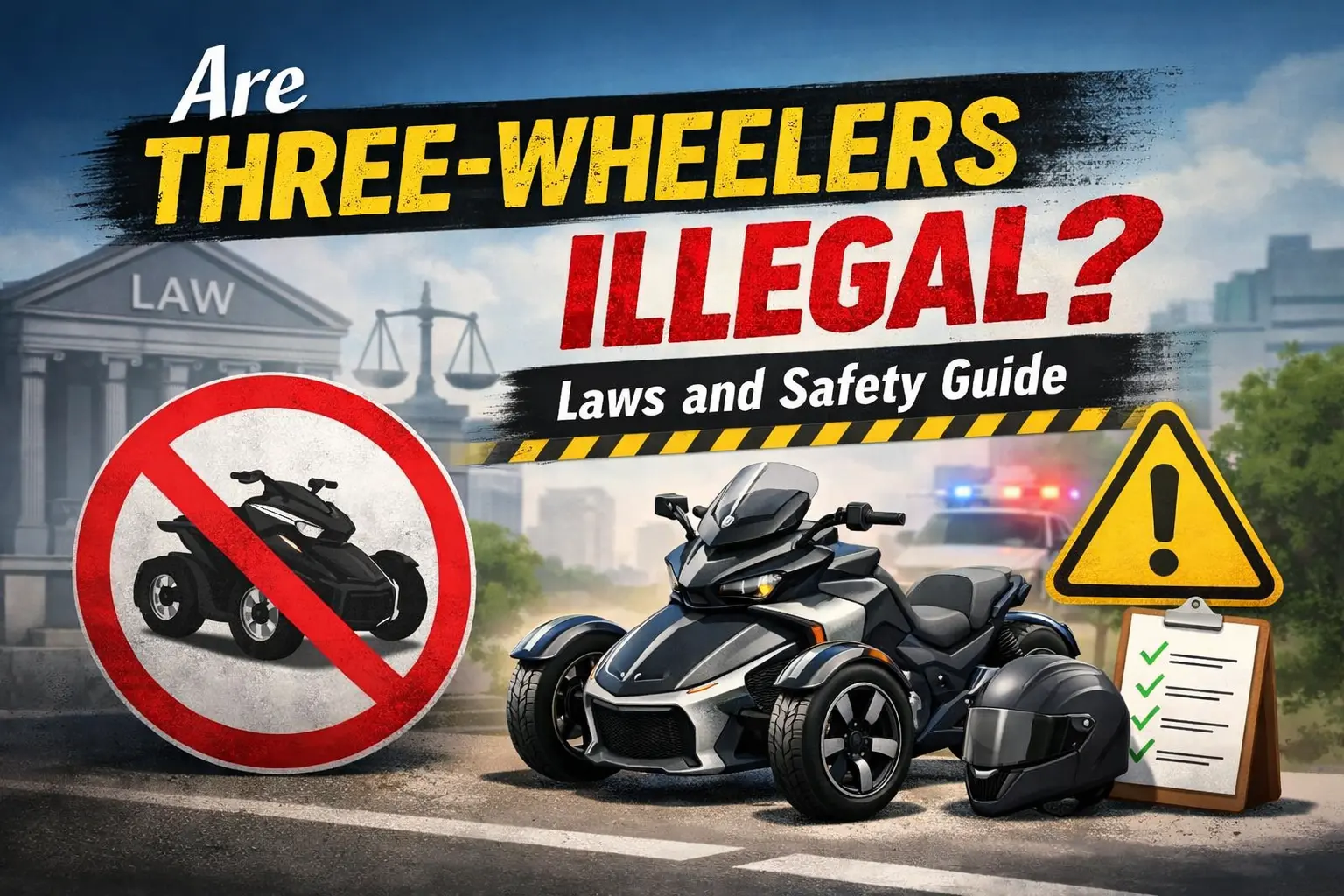
Are Three-Wheelers Illegal?
Three-wheelers are vehicles that run on three wheels instead of the usual four. These vehicles are designed for different purposes, including personal transport, commercial use, or recreational activities. But the question arises: are three-wheelers illegal? The answer depends on the laws of the country, state, or region where they are used. Let’s explore this topic in more detail.
What Are Three-Wheelers?
Three-wheelers are unique vehicles with a simple design. They come in various types depending on their use and purpose. Some have one wheel in the front and two at the back, while others have two wheels in the front and one at the back. They can be powered by engines, batteries, or even pedals.
Here are the common types of three-wheelers:
- Auto-Rickshaws: These are small, motorized vehicles used for passenger transport. They are common in countries like India and Thailand.
- Trikes: These are three-wheeled motorcycles used for long rides or fun activities. They offer comfort and style for riders.
- Utility Vehicles: Some three-wheelers are designed to carry goods, making them popular for small businesses.
- Mobility Scooters: These are lightweight and electric-powered, designed to help people with disabilities move around easily.
Each type of three-wheeler has a specific purpose. However, their legal status depends on how and where they are used.
Are Three-Wheelers Legal in All Countries?
Three-wheelers are allowed in most parts of the world. However, some countries or regions place restrictions on their use. The rules often depend on factors like vehicle type, purpose, and local road safety laws.
For example:
- In India, auto-rickshaws are a major mode of transport. They are regulated by local authorities to ensure safety and proper functioning.
- In the United States, three-wheelers like trikes and recreational vehicles are legal. However, they must meet certain safety standards, such as having proper lighting and brakes.
- In some European countries, three-wheelers must pass emissions and safety tests before they are allowed on the roads.
Why Are Some Three-Wheelers Restricted or Illegal?
Some areas restrict or ban the use of three-wheelers for specific reasons. Here are the most common reasons why three-wheelers might be restricted or considered illegal:
Safety Concerns:
Three-wheelers are less stable than four-wheeled vehicles. They can tip over easily, especially when taking sharp turns or driving at high speeds. This makes them riskier to operate.
Lack of Safety Features:
Many three-wheelers lack modern safety features like airbags, seat belts, and anti-lock brakes. This increases the chances of injury in case of accidents.
Traffic Management:
In cities with heavy traffic, three-wheelers can make the situation worse. To reduce congestion, some governments limit their use in crowded areas.
Emission Standards:
Older three-wheelers often produce more pollution. In countries with strict environmental laws, these vehicles may not meet the required emission standards.
Licensing and Permits:
In some places, you need a special license or permit to drive a three-wheeler. If a driver does not have the proper license, using the vehicle becomes illegal.
Where Are Three-Wheelers Commonly Used?
Three-wheelers are used in poor countries. They are a convenient and cost-effective solution for short-distance travel or a smaller scale distribution of goods. Here are some instances of how three-wheelers are used:
- India: Auto-rickshaws may be found in every city and town. They provide a dependable and cost-effective mode of transportation.
- Thailand: Tuk-tuks, a well-known three-wheeler, are popular among both residents and visitors. They are often used for sightseeing.
- Africa: Many African countries use three-wheelers to transport products and passengers, especially in rural areas.
- Philippines: Tricycles, which are a mix of a motorbike and a sidecar, are a popular mode of transportation for short trips.
Legal Requirements for Three-Wheelers
If you plan on riding a three-wheeler, you must obey the rules and regulations in your area. The legal criteria could include the following:
- Your three-wheeler must be registered with the transportation department. This ensures the vehicle is recognized and meets local standards.
- Some countries require a specific type of license to operate a three-wheeler. For instance, you may need a motorcycle license for trikes or auto-rickshaws.
- It’s mandatory in many regions to have valid insurance for your vehicle. This protects you financially in case of accidents.
Advantages of Three-Wheelers
Three-wheelers are popular for many reasons. They offer several advantages, including:
- Affordability: Three-wheelers are cheaper to buy and maintain compared to cars. This enables a wider population to access them.
- Fuel Efficiency: They use less fuel, saving money and protecting the environment.
- Compact Size: Their small size allows them to navigate narrow streets and heavy traffic easily.
- Accessibility: Mobility scooters provide independence to people with disabilities, allowing them to move around.
Disadvantages of Three-Wheelers
Stability Issues: Three-wheelers are not as strong as four-wheeled cars. They are extra susceptible to topple over, particularly when turning sharply or on choppy roads.
Limited Speed: Most 3-wheelers aren’t made to head rapid, in order that they can’t be used on highways.
Fewer Safety Features: Many three-wheelers do not have present-day safety device like airbags or seat belts.
Weather Dependency: Open or semi-protected 3-wheelers might not provide ok safety for the duration of rain or an intense climate.
How to Know If Three-Wheelers Are Legal in Your Area?
To find out if three-wheelers are legal in your region, follow these steps:
- Visit your local government or transportation department’s website for information.
- Find out if you need any special permits or licenses to operate the vehicle.
- Ensure that your three-wheeler meets all safety, registration, and emission standards.
- Speak with vehicle dealers, local authorities, or legal experts for accurate guidance.
Conclusion
Three-wheelers are not illegal in most countries. To maintain safety and control traffic, their use is restricted. Depending on the area and kind of vehicle, different regulations apply. Three-wheelers are inexpensive and versatile, but they also have drawbacks, such as less safety features and stability problems. If you plan to own or operate a three-wheeler, always ensure it meets the local laws and safety standards. You can take advantage of these special vehicles without running out of the law if you stay informed and abide by the rules.